


This week, sellers felt the heat in more ways than one. The World Cup and a cautious economic backdrop left buyers distracted, forcing asking prices to fall by the sharpest June margin in fourteen years. Yet the market continues to tick over — agreed sales may be down, but they aren’t out. On the side lines, mortgage lenders are starting to trim rates as first-time buyers continue to hunt out bargains or affordable regions. The North/South divide is narrowing with Manchester making significant gains. Meanwhile houses put some financial distance between leasehold flats as service charges and cladding concerns continue to weigh on apartment living reducing growth. Welcome to another UK Property News Recap – 19.06.2026.
Sellers feel the heat and drop prices
Setting aside the current bleak economic backdrop, the recent heatwave has buyers distracted. Throw-in the World Cup and sellers are playing defence.
In an attempt to win over buyers’ attention, sellers were asking on average 0.6% less in June, the biggest June fall in fourteen years according to Rightmove.
With over a third of new listings not going on to sell; for those keen to move on – pricing has never been more important especially with elevated stock levels and reduced demand.
The regions kicked the hardest continue to be positioned in the South West and East while Scotland remained the outlier – sellers here managing to continue to ask for more.
For those at the top of the market; the threat of increased taxes on the horizon forced sellers to reduce more aggressively than those at the bottom.
Despite all this, agreed sales only dropped 6% year-on-year, suggesting a property market trudging along in need of financial incentives; be it interest rate or house price falls, to break into a sweat.
Rental growth slows
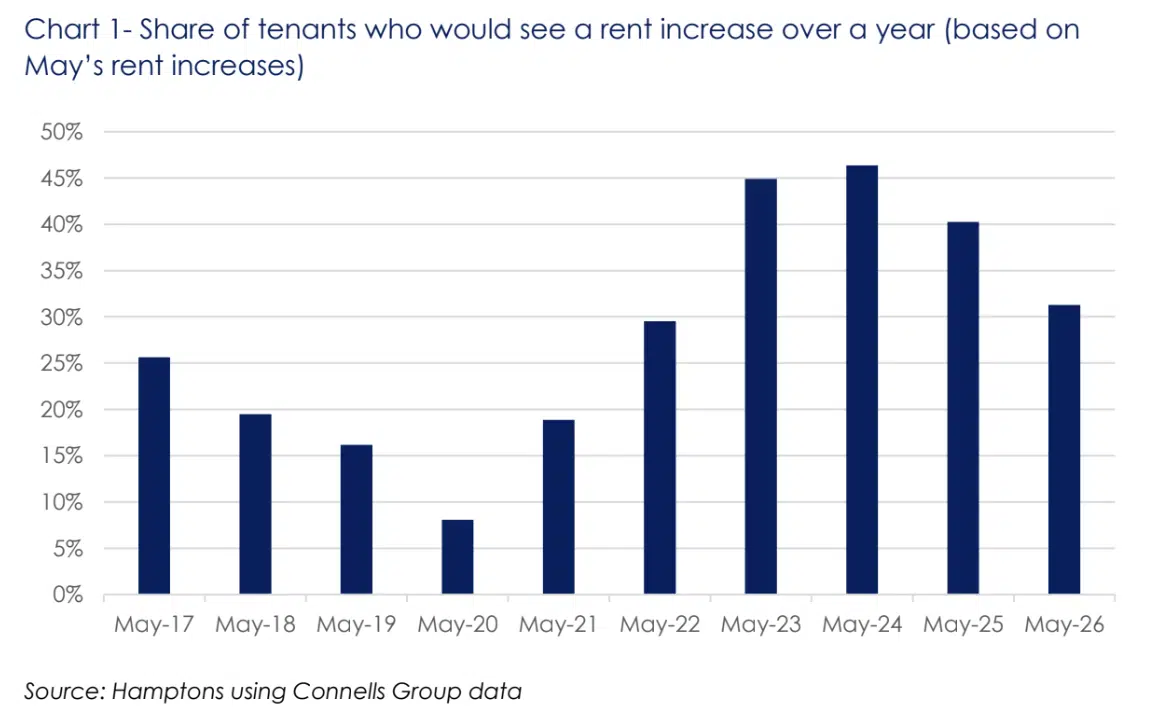
Covid discounts saw rental growth soar as prices and behaviours readjusted to the new norm. Following this, higher inflation and initial fears over new legislation stoked rental growth further. However, according to Hamptons data, further price increases were reserved in the month before reform kicked in due to previous increases and stretched affordability in some regions. The number of existing tenants who saw their rent increase was down 23% in May 2025, yet the average increase for those less fortunate was 5.4% as they caught up with today’s market. Moving forward Hamptons expects fewer short term increases but larger adjustments when they do.
New rental growth slowed to 1.1% over the year to May 2025 with the East Midland and Outer London seeing prices marginally retract. In contrast the South East of England was the first region to record average rents of £1,500 outside of London due to a 2% year-on-year increase.
Rate change
Good news for borrowers. Nationwide is first out of the gate this week dropping rates up to 0.28 percentage points across first-time buyer, home mover and remortgage ranges in a bid to win more business before summer is upon us. If the oil does flow, expect further change will follow.
Vistry opens the door for employees to leave
Vistry has circulated a memo to its 4,500-strong workforce offering staff the possibility of a “voluntary exit” from the company. The scheme is not offering redundancy and is an “opportunity for people to choose to move on if they don’t feel aligned to the business”. The developer who has been struggling over the past year appears to be politely asking employees to leave so they don’t have to be seen giving them the shove.
Manchester boasts 63% growth over the decade
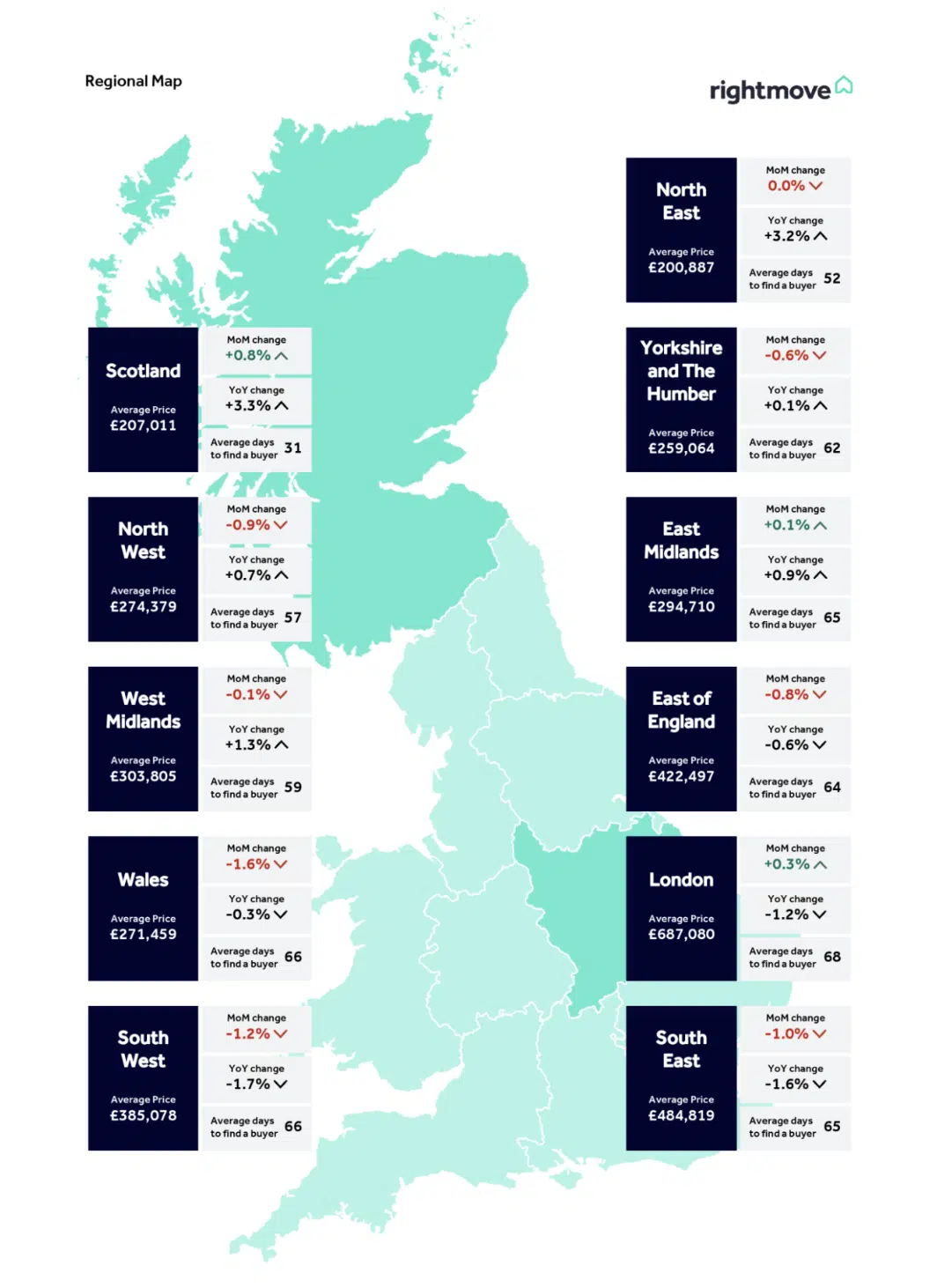
Savvy investors in Manchester have seen an average increase in asking prices of 63% over the past decade according to Rightmove. For those looking for capital appreciation the city didn’t disappoint. In contrast London only managed a 7% increase over the past decade but remains the most expensive area to buy with an average asking price of £687,080 versus Manchester’s £261,891. The divide between the North and the South may have narrowed but it remains significant. The post-covid movement has enabled many to move to the periphery of Cities for more space. This boosted prices at a faster rate than more established addresses due to prices remaining affordable and will continue to for the foreseeable due.. Yet for those who deviated further afield, many returning are facing a loss now the rush for greener pastures has passed and commutability is prevalent.
UK house prices rise and rental growth slows
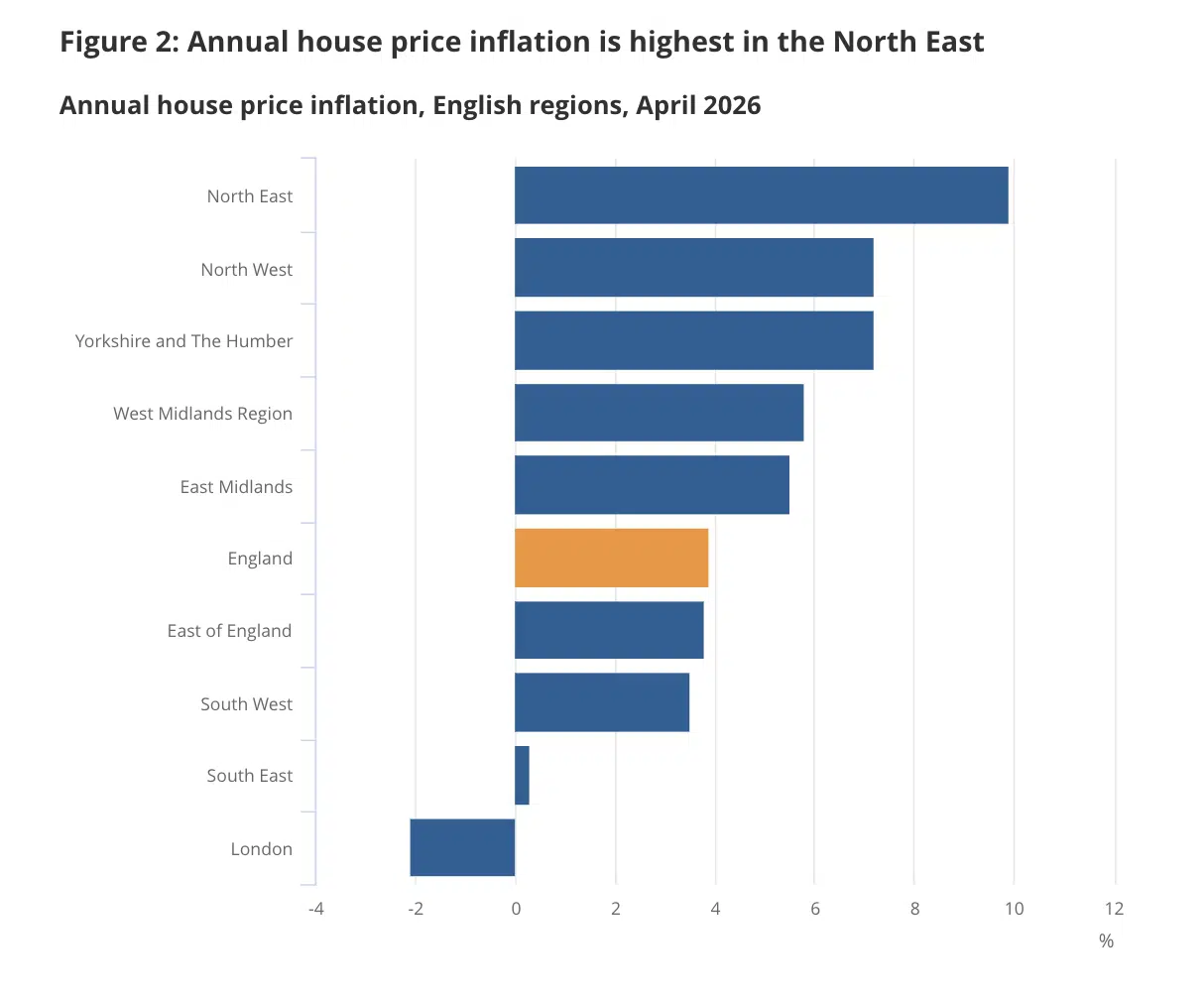
According to the ONS average UK house prices were estimated to have risen by 3.8%, to £270,000, in the 12 months to April 2026 . This was due to UK prices rising moderately between March and April 2026, “while decreasing sharply in the same period a year ago, following Stamp Duty Land Tax changes in England and Northern Ireland on 1 April 2025.”
The biggest average increase was in England, prices up 3.9% predominately due to activity in the North East where prices rose 9.9% as opposed to London that saw prices retract 2.1%. In Wales annual prices increased 3.5% and 2.8% in Scotland.
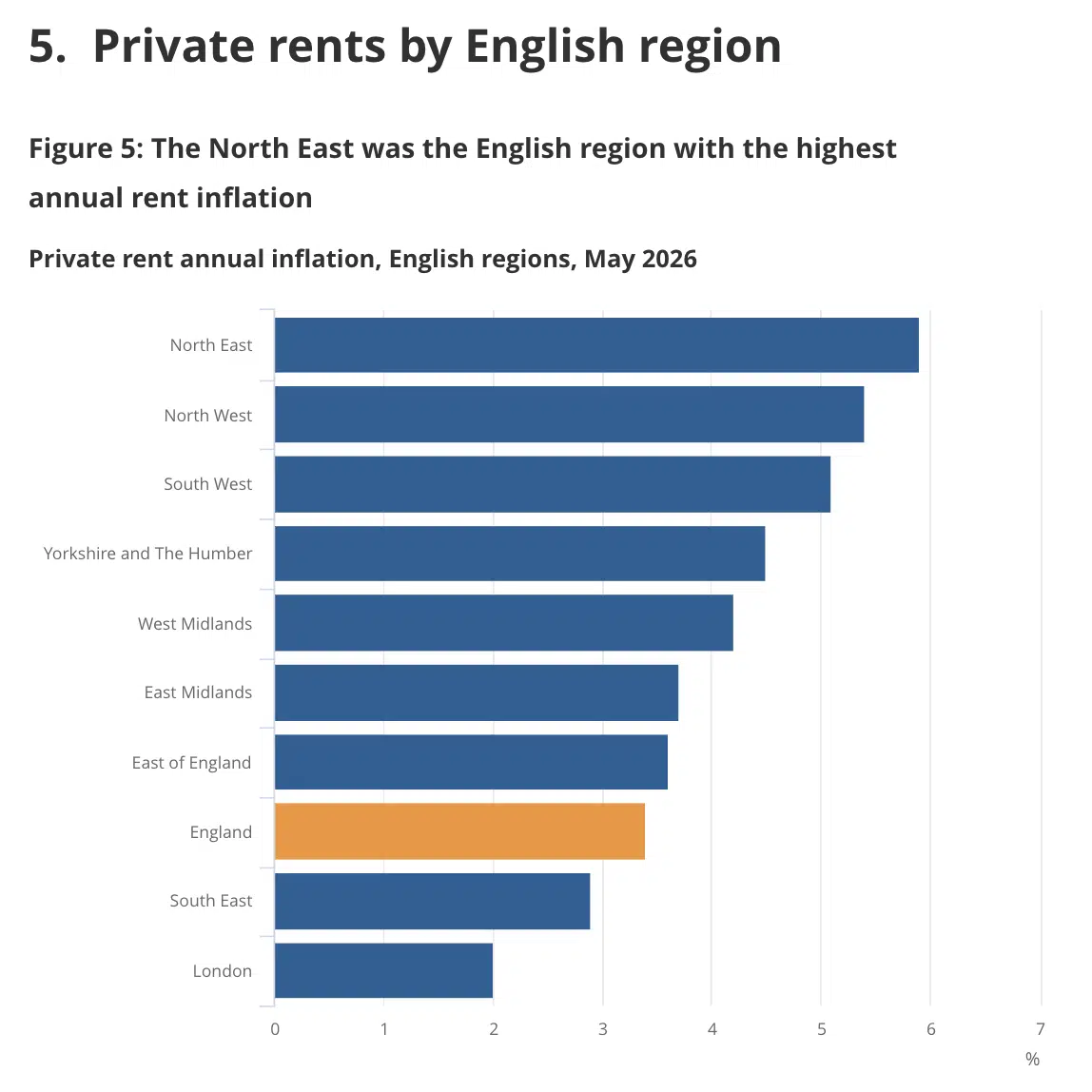
Rental growth slowed but continued its trajectory up. The ONS reported the average UK monthly private rent inflation was estimated to have increased by 3.3%, to £1,383, in the 12 months to May 2026. Once again affordability dictated the extent of growth. The North East of England reported the biggest annual increase, at 5.9% while stretched Londoners only experienced annual growth of 2%. Despite the marginal increase this will continue to eat into disposable income and savings.
Agreed sales fall as stock levels rise
Data from TwentyEA found agreed sales fell 8.1% in May as stock levels climbed 2.7% compared to the previous year. This came as demand fell in all regions with the exception of Scotland as buyers assessed the current economic landscape before making their move. As a result, TwentyEA has revised its sales forecast for the year downward from 1.2 million transactions to 1.13 million. This is all subject to change depending on whether a peace deal holds or not. If the former and rates slowly descend back to where they were heading at the start of the year, activity could significantly pick up.
Borrowers pay down to get ahead
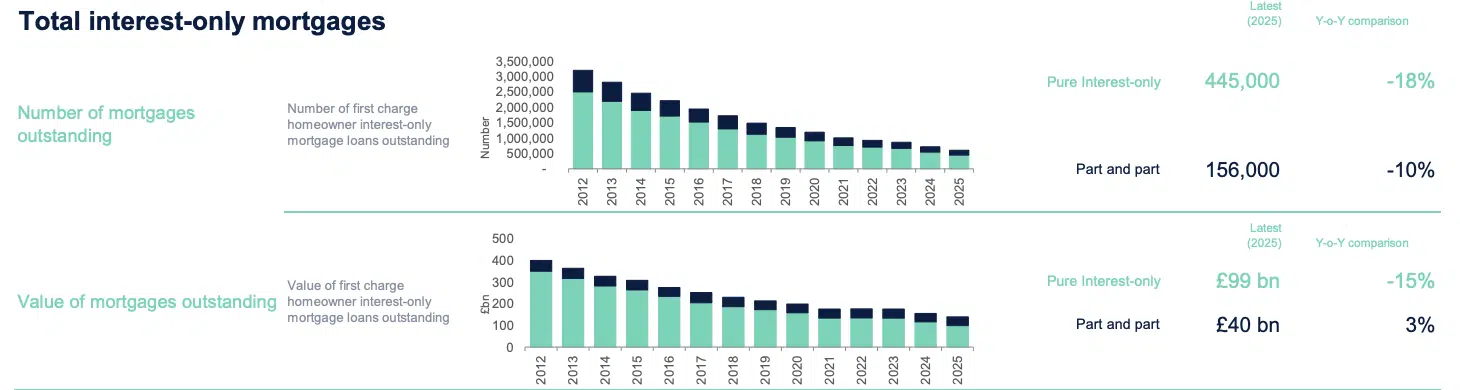
The number and value of interest only mortgages continued its trajectory downwards. There were 17.7 per cent fewer interest-only homeowner mortgages outstanding at the end of 2025 than in 2024. The value of which has fallen 65 per cent since 2012 according to UK Finance.
Gap between flat and house prices widest for 30 years
Post Covid and Grenfell, the reach for the next rung extended and then again as servicing flats grew more expensive as inflation swelled.
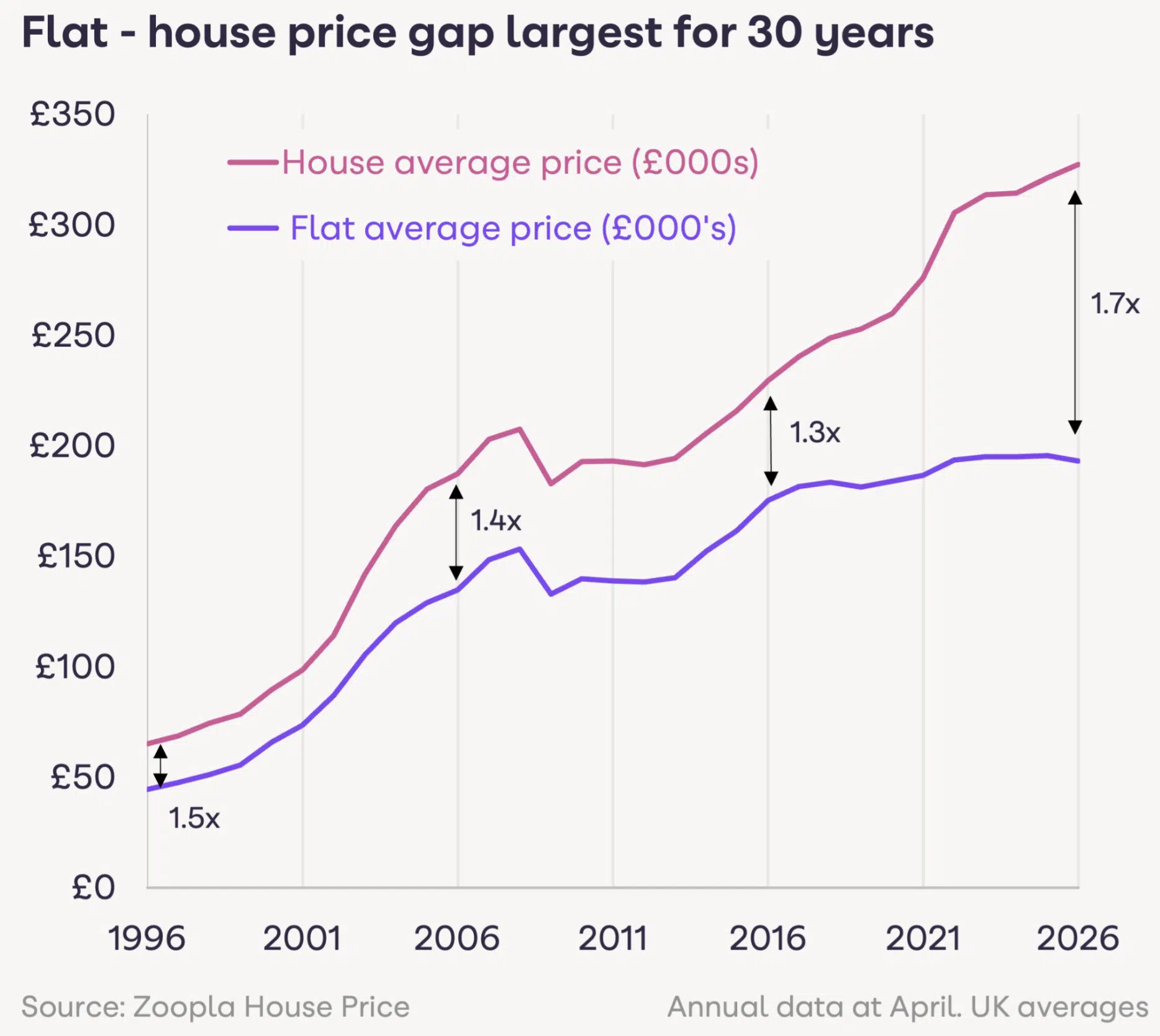
The average house, according to Zoopla, now costs 1.7 times the price of a flat – the widest gap in 30 years. If London is excluded this gap widens to 2.3 times. The impact leasehold has had on flats, once considered a rite of passage onto the property ladder, is demonstrated in Scotland, where leasehold does not exist. Flats there sell within the same time frame as houses – 15 days as opposed to 42 days when London is excluded. The general mood music around flats is ominous. In more affordable areas if buyers have a choice they will swipe left and head straight for a three bed house, saving a second round of stamp duty should they, in time, want to trade up. Setting aside cladding issues and building and safety remedial work on older blocks – ground rents, the lack of control over management and escalating costs have buyers understandably wary. Until leasehold is reformed and service charges can be scrutinised by all residents, the appetite for apartment living will remain lacking.
Prime Central London prices continue to slide
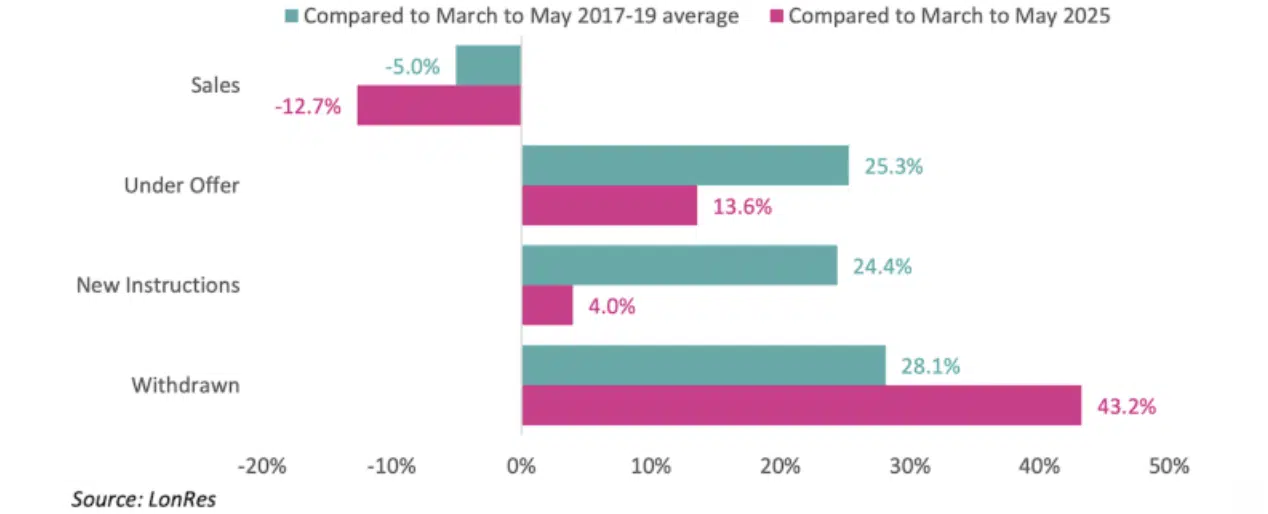
Prime Central London sellers doggedly refuse to learn from others’ mistakes. Listing higher before either retreating or reducing to make a sale. Lonres reported that despite the rate of decline on sold prices easing to 5.1% in May, price reductions increased 19.4% annually. Existing and new stock continued to jostle for visibility on the portal shelves; keeping pricing in check but for those sellers prepared to accept today’s prices there were signs of movement. The number of transactions and property that went under offer both increased annually by 6.7% and 8.1% respectively. The lesson remains the same. Park the ego and price it right the first time and you increase the odds of selling.
The base rate holds
The MPC voted 7-2 to maintain the base rate at 3.75%. In spite of recent concessions on both sides – concerns remain over the volatility in the Middle East and the potential for a lag in second-round effects. Due to this they aren’t ready to move the base rate either up or down till the path/ strait is clear and running. Till then we have a summer of cautious adjustment for all those looking to move on.
Homesellers to get their stall in order pre-marketing
The government is keen to get people moving by improving buying and selling times. To achieve this they are looking at introducing “digital property logbooks and sales packs that will allow trusted information to be shared securely between professionals and accessed by buyers and sellers in real-time, cutting out the back-and-forth that causes so many delays. The government will also back digital identity checks, electronic signatures and AI-assisted conveyancing to strip out duplication, reduce fraud risk and accelerate transactions from start to finish. Together, these changes will create a modern, end-to-end system where people can track and progress their move more easily.”
That concludes this week’s UK Property News Recap – 19.06.2026. Any comments or suggestions please get in touch.