


This week was the tale of two developers. One, Persimmon, turned a profit while the other, Vestry, made a pre-tax loss of £30 million. Other developers picked up some more work, demanded higher premiums, which in many cases at present will accommodate greater ‘incentives,’ but overall remain far from reaching any form of completion. Rates crept quietly down as swap rates fell but few felt the benefit as they quickly retracted come Friday. Over-confident buyers took to gazundering, because they felt “they were worth it” leaving house prices and sellers sweating over the summer. Welcome to another UK Property News Recap – 07.08.2026.
Planning delays costing further development
Clarion Housing Group claimed this week that planning officials in the capital were taking more than two years to sign off social housing developments. You can’t build new homes without all the components being readily available. Currently it’s hard enough for developers to muster any enthusiasm to build while rates are high, but add in building safety delays and planning departments who are only looking to rack up as many fees as possible as opposed to green lighting developments and housing numbers remain low. Two years is a long time to wait, markets move, need grows, while land remains stagnant.
Gazundering without cause is on the rise.
Protracted conveyancing times are breeding discontent and doubt. Negative house price growth headlines turn heads but aren’t always relevant to an individual purchase. Slapping down a demand at exchange could come back to bite if a seller won’t play ball but in troubled times, many who are now committed to their onward journey will bow under the mental pressure. We don’t live in honorable times. Short let providers are constantly batting off demands for a refund as some look for staycations on the cheap. Drivers skip the check out and house prices are chipped at the last minute. With money tight any regard for others is gone, leaving many with a bad taste.
Rates continue to yo-yo
In an attempt to try and capture buyers’ interest as best they could over the slow and sticky summer; Nationwide broke free of the herd and reacted at speed to a fall in swap rates at the start of the week by reducing rates by 0.19%, making their lowest fixed rate 4.52%. Meanwhile average residential mortgage rates crept down with them mid-week before building back up come close of play on Friday.
Developer Vistry feels the financial backlash of expanding too fast in a falling market
What works state side doesn’t mean it’s a slam dunk for the UK. Vistry’s decision to buddy up with registered providers, local authorities and the public rental sector was only going to be achievable if they had the funds. They didn’t and still don’t. A lot rides on Labour’s affordable housing fund and incentives such as Help-to-Buy to save them from their current predicament which they aren’t eager to share till September. With Vistry’s shares down 75%, and 20% of its shares on loan to investors who predict further falls, this company is in need of funding if it wants to keep developing. Nationalisation is looking increasingly likely.
Bricking it
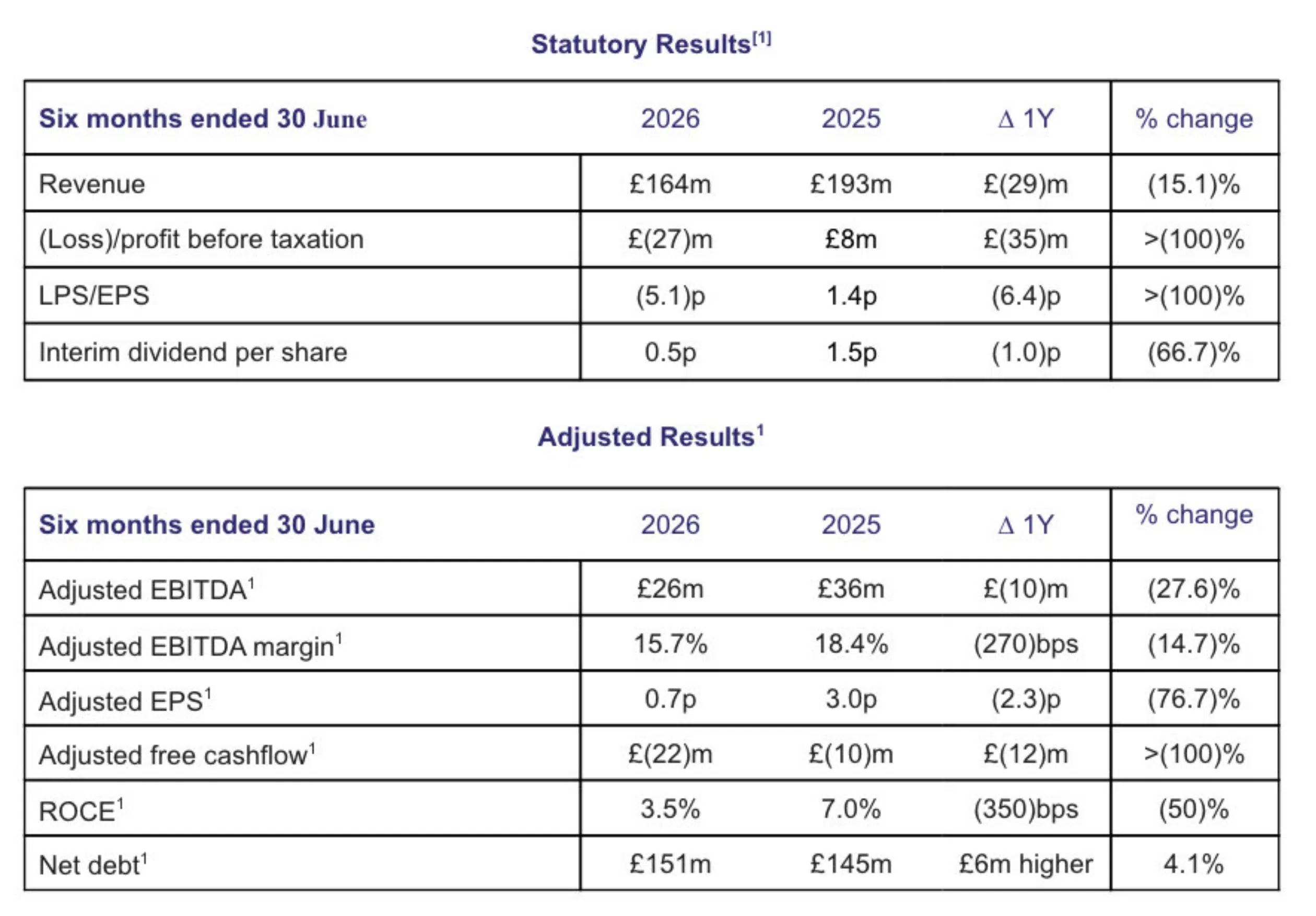
Brick provider Ibstock’s interim results show a pre-tax loss of £27m during the six months to June 30 as a direct result of a lack of demand. This staple to a good building diet means housing targets remain weak and far from ever being fulfilled.
Construction stabilises
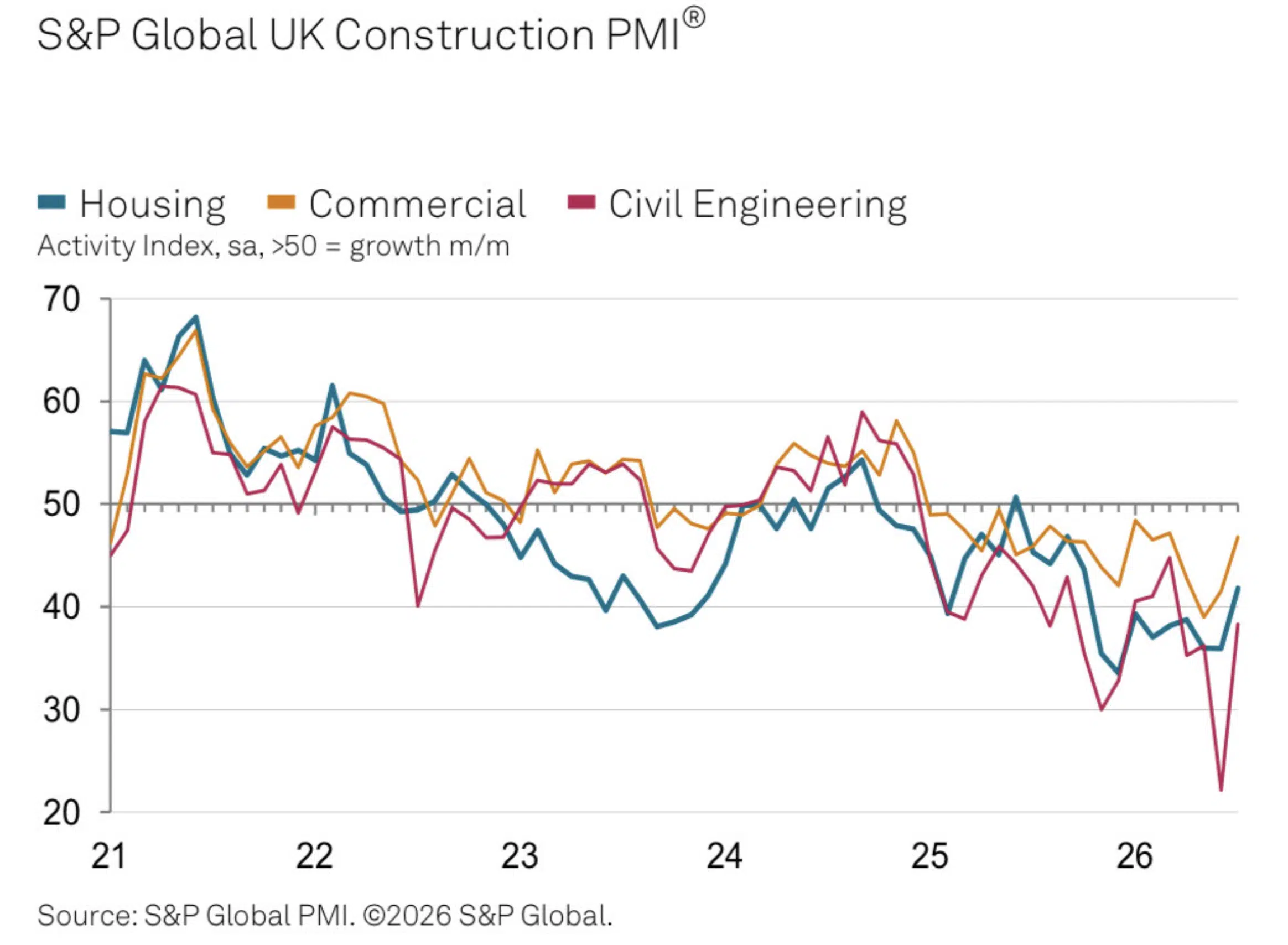
Beaten but not defeated. S&P Global PMI’s construction index for July 2026 showed marginal improvement on construction numbers, however they remain significantly down on where they historically should be. Supply costs remain high largely due to the cost of fuel and rising prices but lack of demand has improved access. Commercial construction demand outweighs other sectors however there was greater optimism around future infrastructure projects.
PCL house price damage
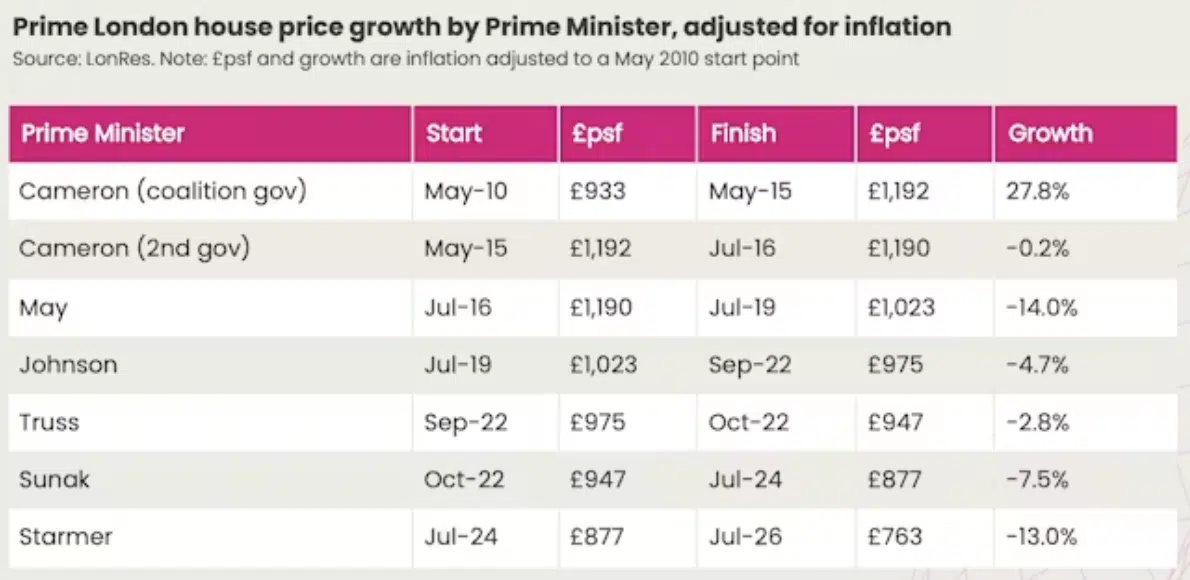
The rise and fall of PCL prices during the many premierships haven’t been kind. Increased taxes, Covid, and the rise of interest rates have all tarnished prime prices. What Andy Burnham does next could cause permanent corrosion or leave them as is; diminished in stature.
One developer defies the new build market by turning a profit
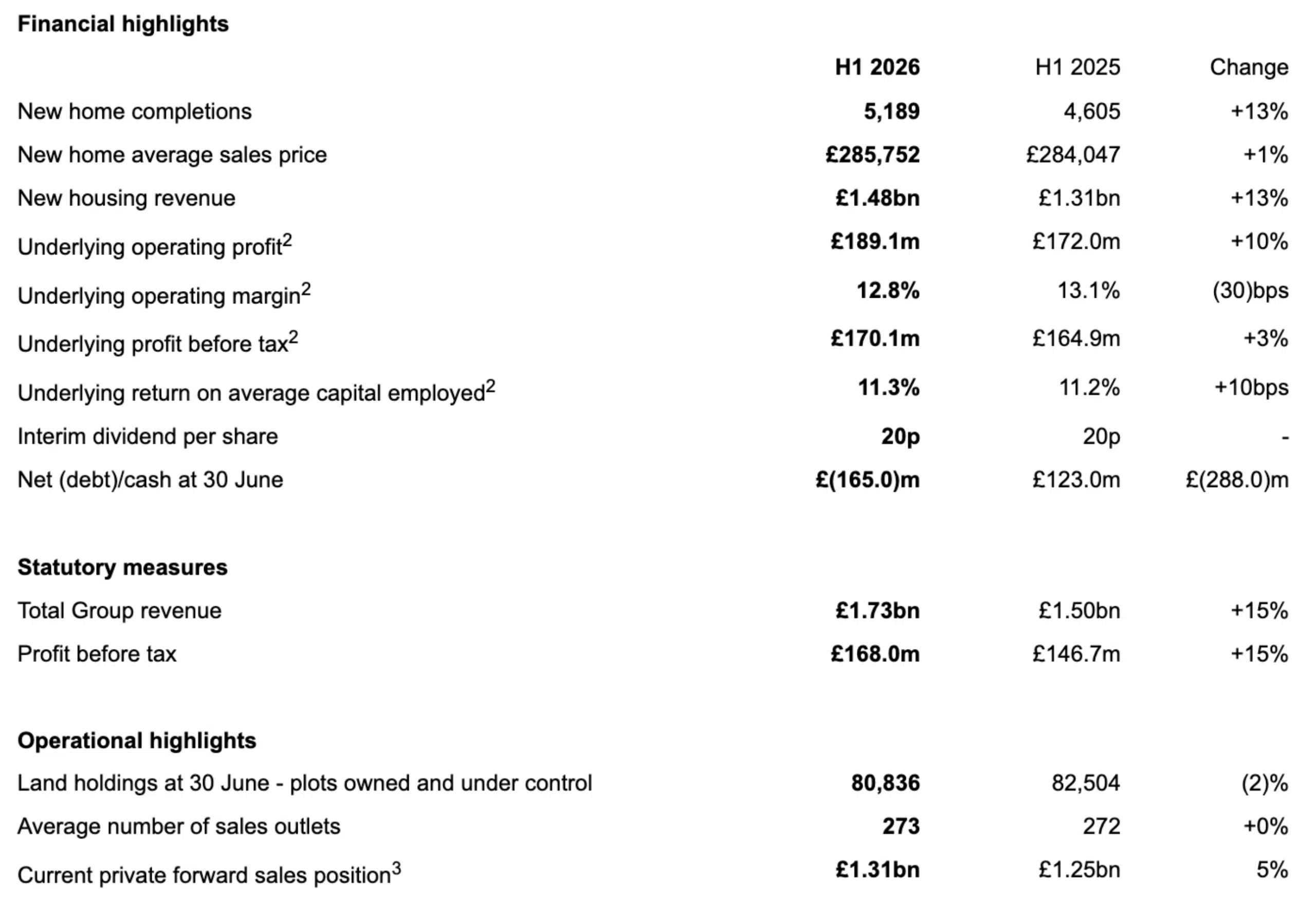
Persimmon Homes managed to achieve an increase in both sales price and completions resulting in a 15% increase in pre-tax profit. The group’s in-house capability to manufacture bricks, roof tiles and timber frames is saving them a pretty penny over their rivals.
Premium prices rise for new homes
Prices for cookie-cutter homes, “where everyone knows your name” and..their neighbour’s layout, are rising across the country with Scotland seeing the biggest premium increase at 55.4% while London reported falls of 10.5% against an existing home, deterring private development in the capital.
The Conservatives propose foreigners lose their right to council homes
“Are you local?” The Conservatives seemed to forget that they were culpable for the lack of council homes and tried to get down with Reform voters by making space for the locals without considering the potential homeless fallout.
UK house prices flatline in July
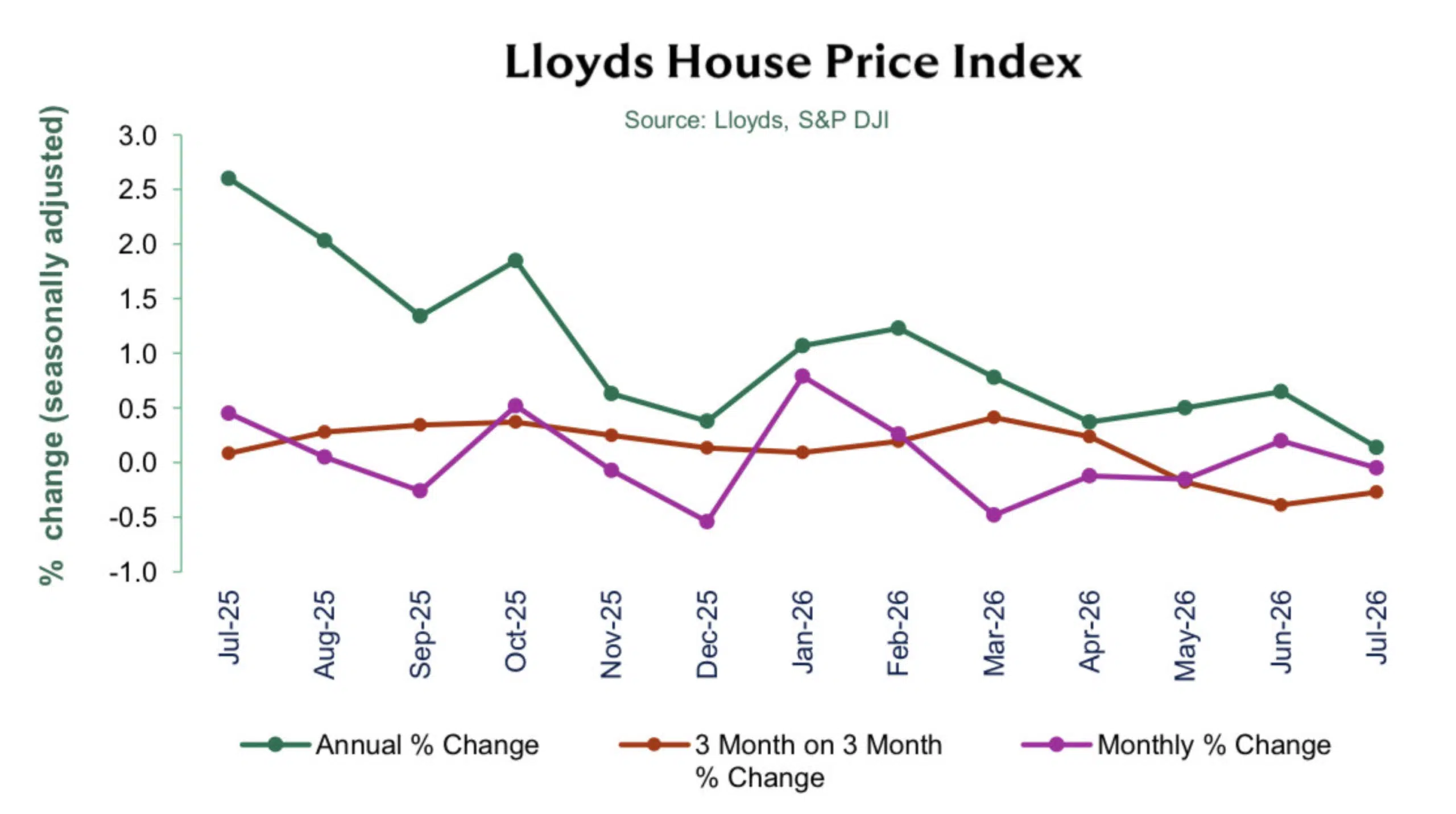
According to Lloyds on an annual basis prices on this index are only up 0.1%. This is derived from a divided country. Prices in Northern Ireland and Scotland recorded growth of 7.4% and 3.6% respectively while the South East reported falls of 2% annually. Affordability continues to dictate which areas prosper and which do not.
London struggles to build on housing numbers
The Capital is struggling to make new build homes stack. Increased building costs, the lack of demand from domestic buyers who are now wise to escalating service charges and the absence of international buyers who’d prefer to avoid the additional stamp and taxes in general; is leaving many sites devoid of bricks. Without bulk discounted deals, the build-to-rent sector and numerous “incentives”, private large new build development schemes, in London would be on its knees.
“A record 4,629 newly completed homes remained unsold across the capital in the three months to June representing an estimated £3.5billion of housing stock, Molior calculated”
Right to Buy sales spike before discount reduction
A “Rush-to-Buy” discounted council homes led to a 90pc increase in sales of social housing raising £1.61bn for local authorities to supposedly restock their shelves. This came off the back of Labour reforms that reduced the Right-to-Buy discount from 70pc to 15pc.
That concludes this week’s UK Property News Recap – 07.08.2026. Any comments or suggestions please get in touch.


