


This week sellers ignored the writing on the wall and asked for more. Thresholds weren’t crossed for fear of being tagged as a Mansion tax owner. Bulk buying marginally helped balance developers profit and loss sheet while Suneil Setiya, when buying Nick Candy’s £275m mansion, stamped his “duty” to HMRC down by around £18m by including five nondescript properties. All the while rates rose, forcing the hand of those who fixed a lower rate earlier in the year, to either make their move or retreat till the New Year. Welcome to another UK Property News Recap – 25.09.2026.
Bulking up developers’ bottom line
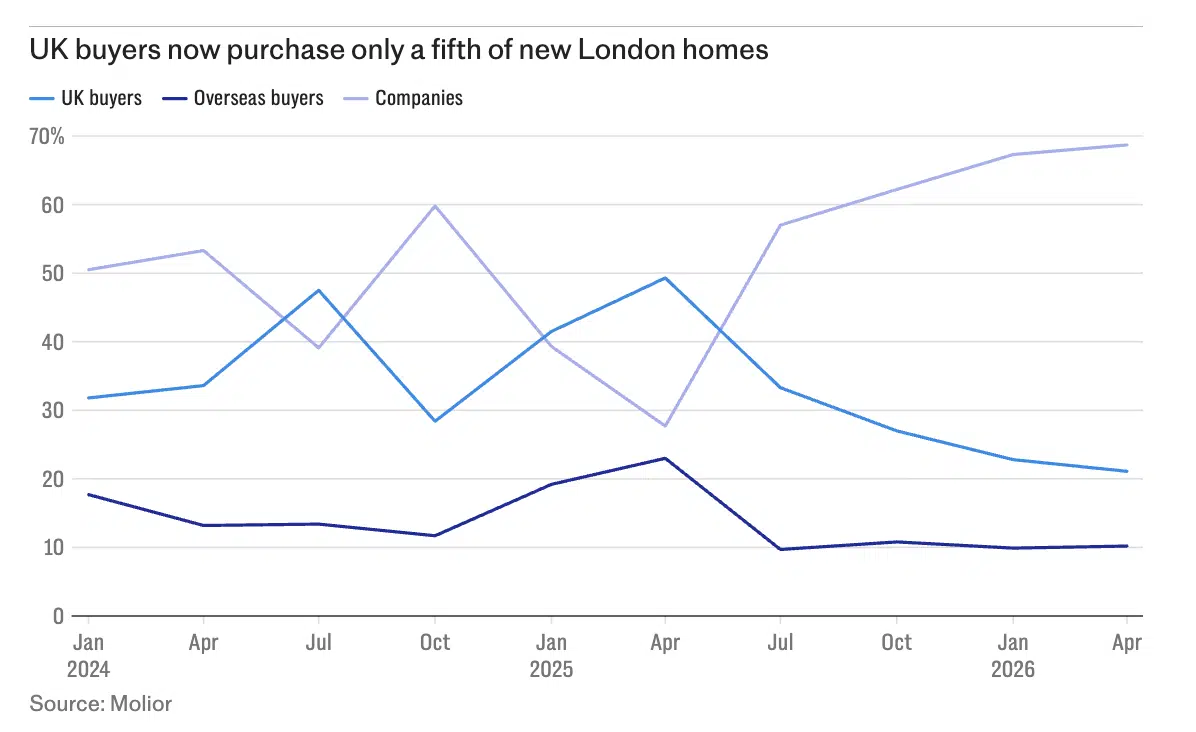
The government’s pledge to restrict foreign investors from getting “first dibs” on local housing has been neglected to placate developers’ bottom line and keep them engaged in the London market, which is struggling to engage the locals.
Domestic buyers’ general financial distrust around flats, alongside rising rates, has seen their numbers diminish.
Between April and June, only 21pc of deals were to UK buyers while 69pc of the new homes were offloaded to overseas investment funds or housing associations.
UK homeowners take a £840 annual mortgage hit
Indebted homeowners rolling off fixed term mortgages will find themselves short a bob or two.
Before Trump took aim at Iran, many homeowners anticipated rates reducing throughout the year. Now they find themselves renewing at the very rates they thought they’d swerved over the past few years. Where and when it all ends no one knows.
Mansion tax threat hits price thresholds
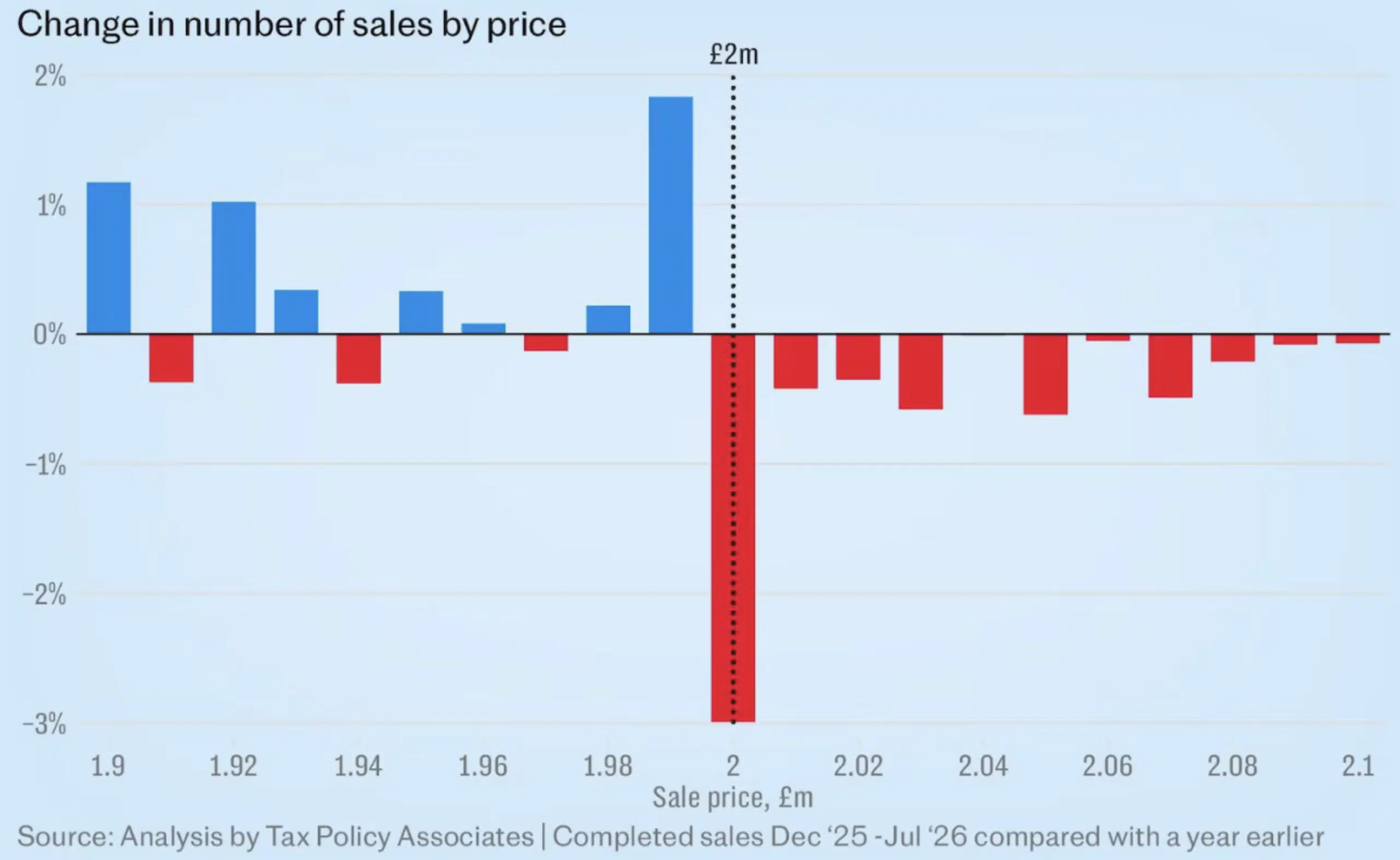
Buyers look to avoid crossing the £2m threshold, opting instead to huddle, “bunched” up, just outside, in the hope of avoiding eye contact with HMRC’s Valuation Office who lurk inside. The 2028 Mansion Tax threat is putting a dent in sellers’ once-resilient nest egg.
Asking prices rise
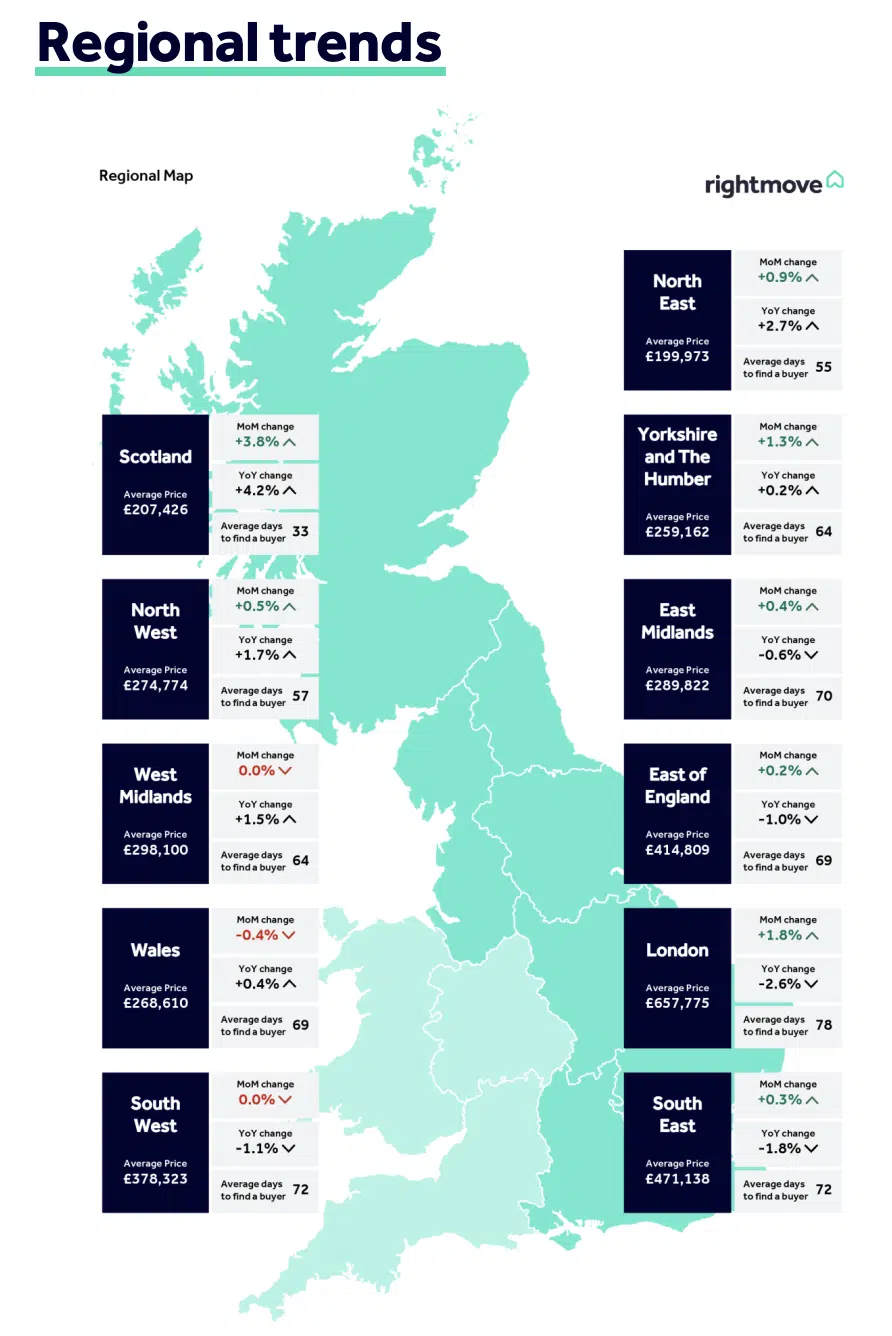
Sellers display clear signs of autumn bounce delusion in Rightmove’s ASKING price index. Wishful thinking in a 2026 market is doomed to fail. Rates and inflation are on the rise, prices are not. Despite the time to secure a buyer rising to 78 days in London and 64 days nationally and the average number of homes per estate agent also remaining historically high at 65. Sellers opted to ignore the warnings and increased the average asking price in September by 0.7%. Second steppers and those at the top of the ladder are refusing to accept the market isn’t what it once was. Some will be anticipating lower offers so have opted to hedge their bets but this could drastically backfire after lots of viewings and no offers. First impressions count. Blow it and watch the value of your home tumble hard.
Suneil Setiya saves on stamp duty by bulk buying
Labour asked for the stamp duty loophole to be closed after their donor Suneil Setiya skipped through. Under the UK’s “six-plus” rule, the sale of six or more dwellings in a single transaction is treated as a commercial deal, with a top rate of stamp duty of just 5 per cent. By buying five smaller flats for a minimal fee and one £275m purchase – Setiya saved around £18mn.
By legally short changing the taxman when the government is heavily indebted and raising taxes for everyone, you don’t win any allies. This is how the rich get richer and the poor, poorer.
Think tank finds Londoners are under–paying tax by £3.1bn
The Resolution Foundation claims Londoners are under-paying tax by £3.1 billion relative to the value of their homes – with the rest of England over-paying in return. To rectify this they are proposing a 0.7% levy of a property’s value to replace both council and stamp duty tax. This annual property/wealth tax could motivate the top end of the market to downsize sooner; keeping house prices in check. To introduce this would take time and would include “a rebate scheme for those on low-incomes, and a deferral scheme for those with high housing wealth but low income.”
This will go down like a bowl of cold sick with the 15% of the population set to be hit, and be lapped up by the other 85%. What it would do is keep the market fluid but you are relying on buyers being able to afford annual payments. Mentally paying upfront is very different to finding it each year. Spending behaviour would need to change. It appears to be a saving but annually it could feel like another weight, especially for second steppers and up, which could mean should circumstances change suddenly that your home is suddenly a liability. It doesn’t matter when you introduce this, if there isn’t some mechanism whereby buyers who’ve bought in say the past few years aren’t subject to the full tax till, say, 5 years is up; there will be trouble.
Vistry makes a £661m loss
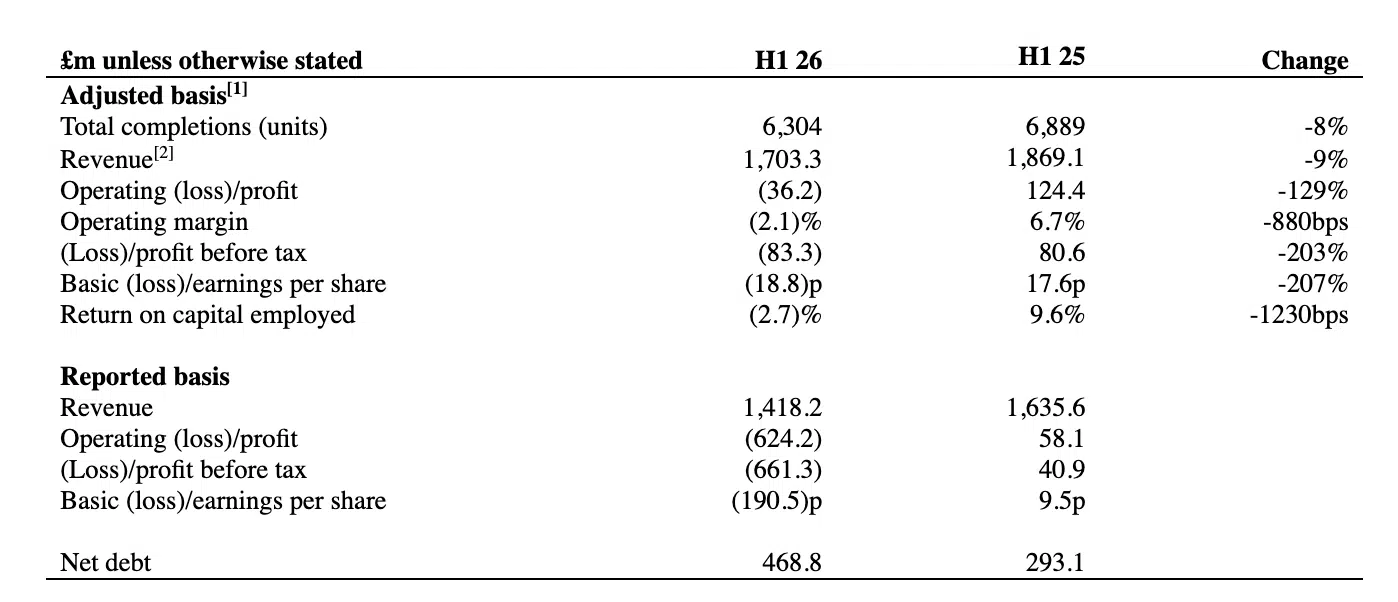
Developer Vistry abandons its sinking investment in the South East, scaling back all its operations to 12 regional areas versus 25 after expanding at speed just when the market turned; costing them £661 million this year. The aim: to reduce debt and rebuild for a more sustainable future. This will, however, further dent Labour’s housing targets as yet another developer scales back its completions till there is some “incentive” to build.
Rightmove names the hot rental regions of 2026
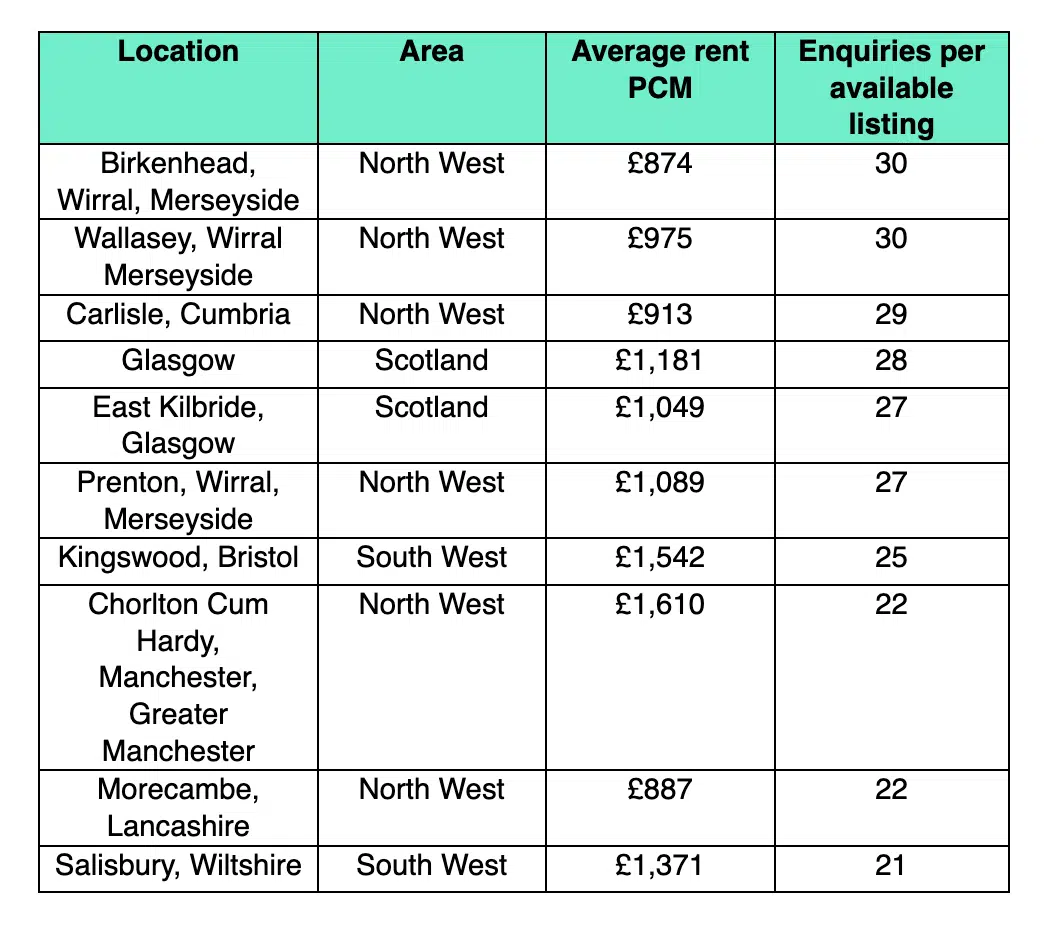
This year there was a joint winner for the People’s summer 2026 hottest “rental spot.” Birkenhead and Wallasey in the Wirral achieving a massive 30 enquiries per listing. At the other end of the leaderboard came the South East and London who only managed 9. Still, enough to keep prices elevated but growth in moderate check. The same can’t be said for those northern areas, in demand.
Selling at a “real” time loss
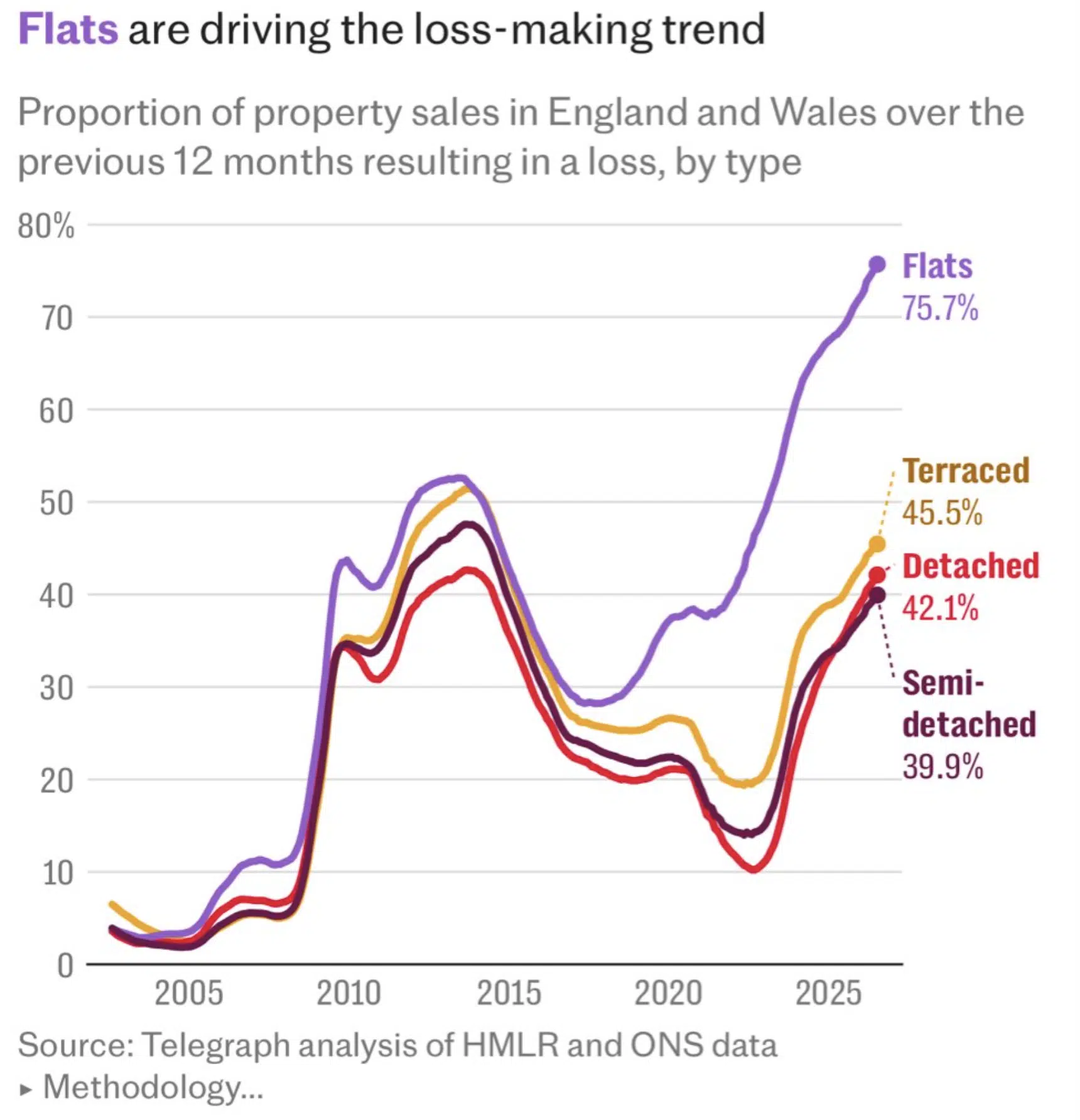
High inflation pulled the rug out from under homeowners causing “real” house prices to fall. According to the Telegraph, half of homes sold at a real-terms loss over the year to July.
Flat owners fell the furthest, not helped by building safety, service charges and leasehold mistrust serving as an anvil weighing heavy on prices. With no sign of reprieve many can only watch the price of their home take the elevator down to exit. Meanwhile, those at the top of the market are having to face off with their ego as increased taxes deter foreign and domestic buyers.
Waiting for the keys
Unless you are in the privileged position of being able to bank at mum and dad or have found your significant other, you face a wait to get onto the housing ladder. L&C Mortgages found many first-time buyers were having to wait till they are in their early thirties before they can raise, on average, the £70,000 deposit required to buy a property costing £305,000+. As everything around increases, saving has never been harder, making homeownership further out of reach until economic conditions improve and stabilise.
Rate rises…again
The average residential two and five year mortgage rate on offer had risen to 5.92% and 5.94% respectively by Friday. We are days away from 6%. The September/October listing window has been curtailed by raising interest rates and the general sense of economic gloom. Those who fixed a preferential rate are taking advantage of falling prices in southern areas and ploughing ahead in northern regions so as not to miss the boat. Others are taking advantage while others wait, once again, until the New Year, in the hope the economy will turn a new leaf.
Thanks a “bunch”
Buyers look to avoid crossing the £2m threshold; opting instead to huddle, “bunched” up, just outside, in the hope of avoiding eye contact with HMRC’s Valuation Office who lurk on the other side. The 2028 Mansion Tax threat is putting a dent in sellers’ once resilient nest egg.
Self builds given the green light
LivedIn, a SELF HOME PROVIDER, estimates 21,500 new homes could be built in response to new planning reforms that make development on small sites possible. This works for those who already own the land as their outlay is minimal as opposed to those buying the land and then paying today’s planning and building costs. When the world rights itself this will indeed enable more homes to be built that are individual as opposed to regimented new builds on larger sites. For now, I expect this to be more of a slow burn.
That concludes this week’s UK Property News Recap – 25.09.2026. Any comments or questions please don’t hesitate to get in touch.


