


The rise in rental prices comes at a cost to tenants while buyers’ house price loss win is curtailed by increased rates. Developers failed to untangle themselves from the red tape cordoning them off from their once profitable sites. Meanwhile many homeowners were relieved not to have been labelled a mansion tax owner, as the Chancellor John Healey ruled out reducing the threshold further, well, for now anyway. Increases to Capital taxes however remained, leaving many counting down the days till the 28th of October. Welcome to another UK Property News Recap – 16.10.2026.
Chancellor John Healey rules out lowering mansion tax threshold
Weighing up the loss of votes versus the increased tax haul sees public opinion as the victor. This will come as a huge relief to many homeowners around the £1.5m mark who are watching homes that were once out of reach, above the £2m mark, fall in price.
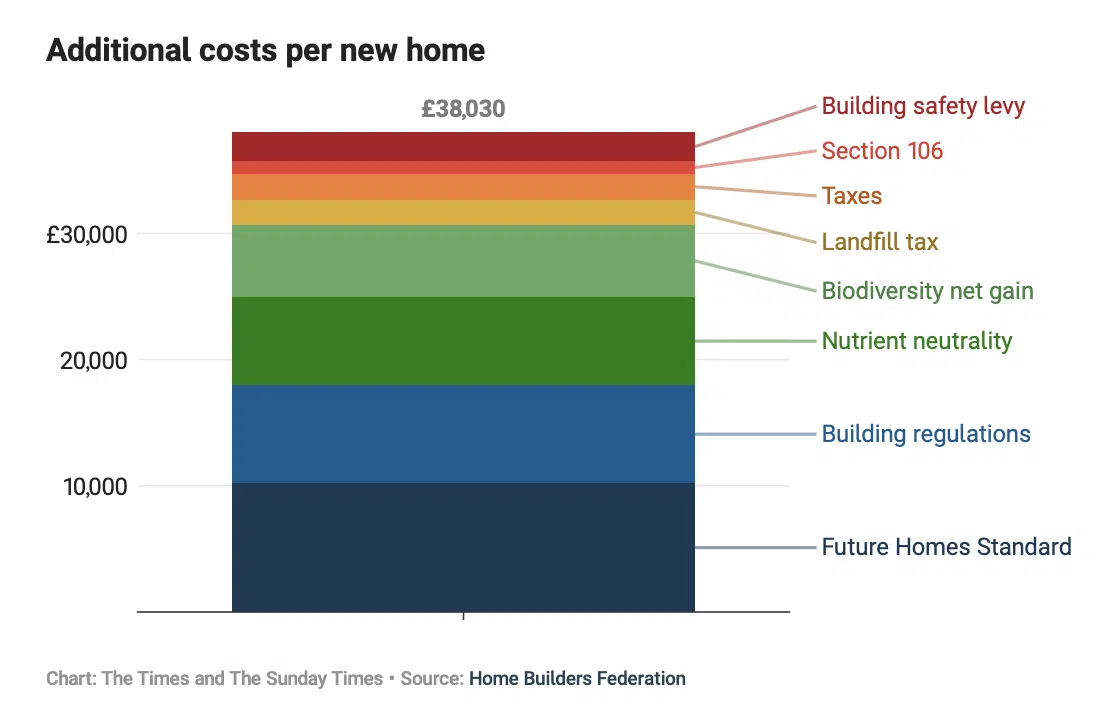
Red tape is suffocating Housebuilding progress claims Lord Barwell
Progress comes at a cost. A loss in profit means a loss in the number of homes built. With house prices and rates going south, well certainly in the south – asking buyers to make up the extra costs incurred when building new homes is nigh-on-impossible, making many a development site unviable.
Lord Barwell has therefore called for an immediate three-year freeze on all new development burdens. Claiming biodiversity, or nutrient pollution were “societal problems” to sort. Stamp duty should be scrapped and social housing should be left to the tax payer to fund, not developers. Now, this would absolutely get builders building again but it comes at a cost to modern safety standards which could then need updating further down the line and puts a greater tax burden on tax payers in general.
The prime rental market benefits from the prime sales market’s loss.
JLL data showed that 338 homes with annual rents of more than £150,000 have been leased over the past 12 months, a 14 per cent increase on the previous year and a record. Many potential buyers, waiting till the next general election in 2029 to see how the land.
Developer Bellway feels marginally squeezed
Operating margins look set to tighten further for Bellway unless the economic climate improves. The developer reported its full-year results today, with completions up on 2025 levels alongside a rise in its average selling price. But those gains came at the expense of operating margins, which were squeezed further as economic uncertainty continued to weigh on the housing market.
Migration is blamed for keeping UK House prices afloat
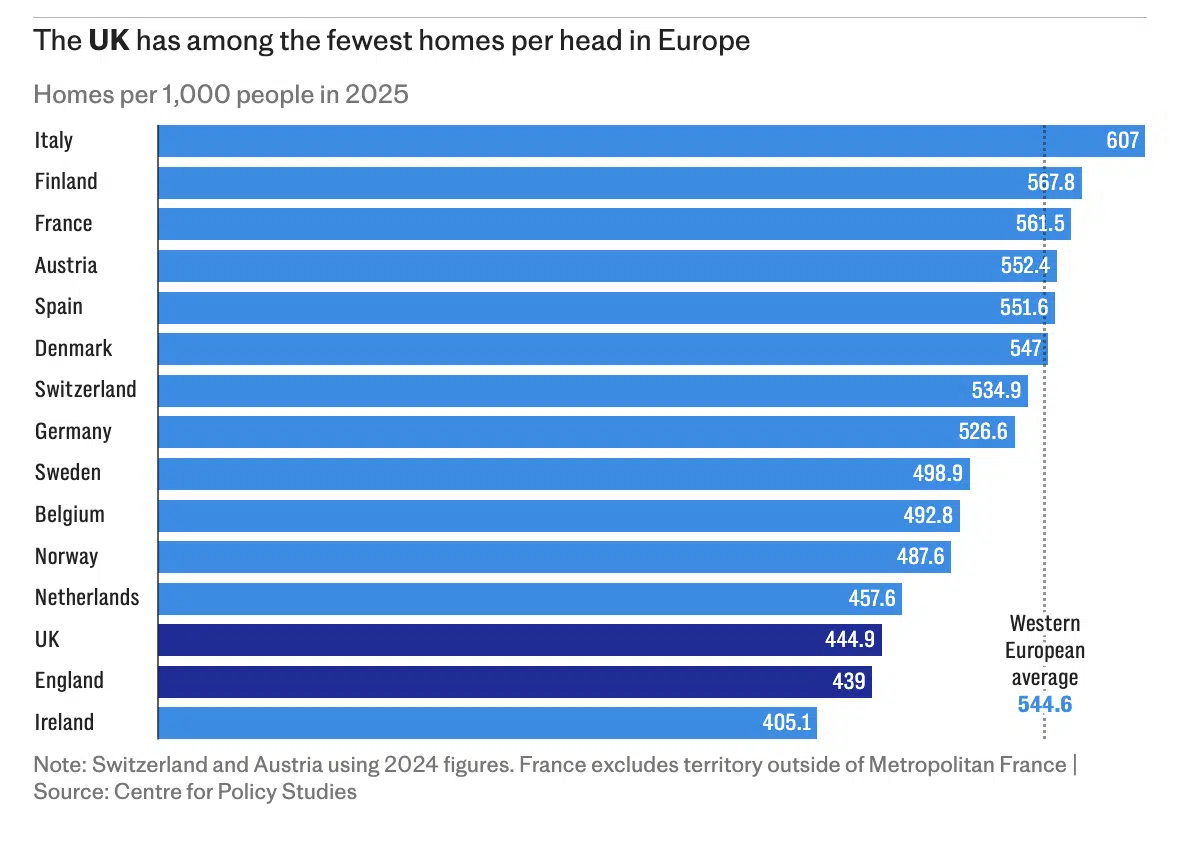
The Centre for Policy Studies claimed; “If net migration had been kept below 100,000, average house prices would be 5.2 per cent lower at £275,650 rather than £290,920.” This coupled with the UK’s inability to build has kept prices afloat with rising demand and limited supply. Trying to retrospectively fix the problem now, when the economic landscape is shapeshifting will be hard to cement. Construction will come back but not at the speed or volume needed to quench our housing need.
Rental growth slows
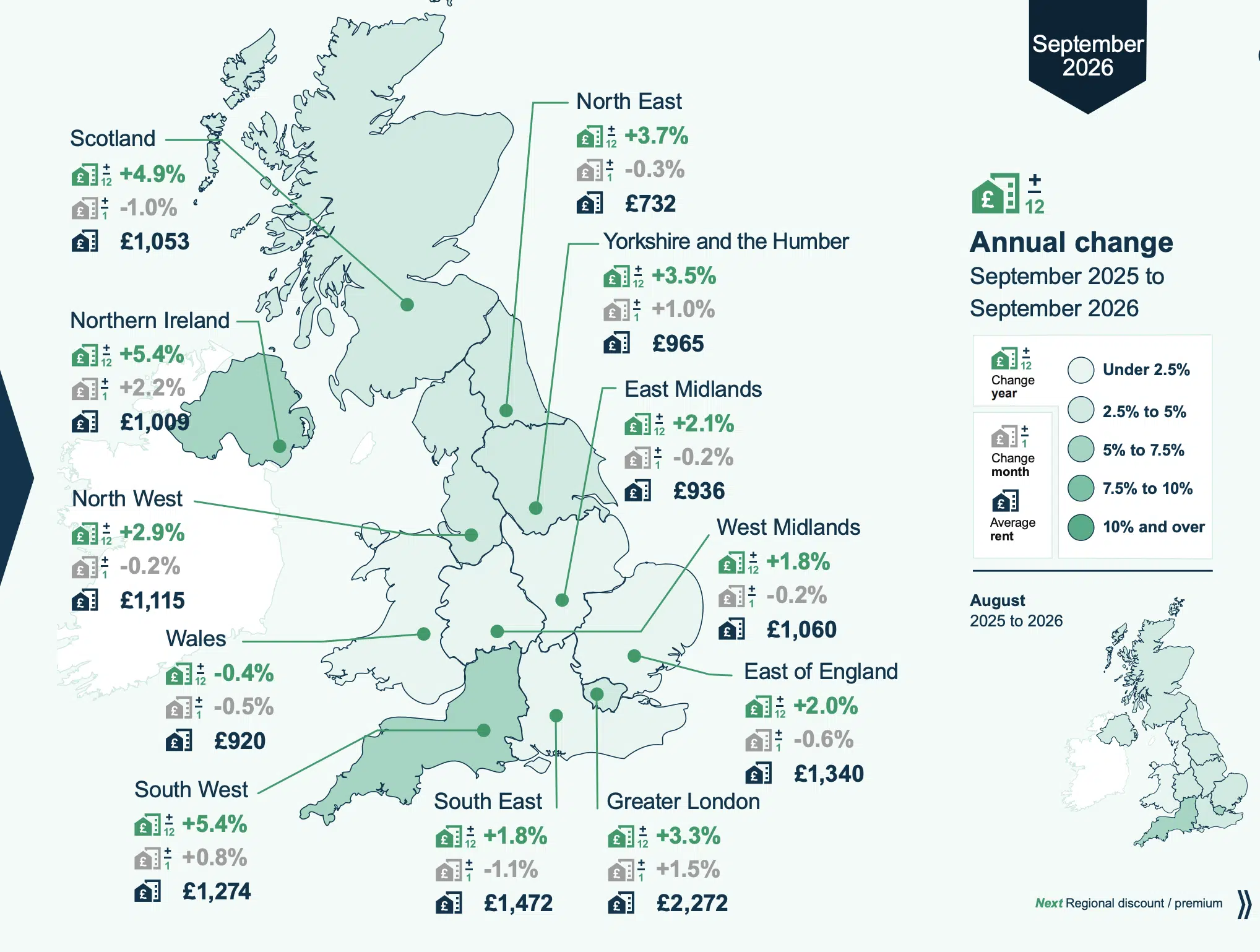
Across the UK rental growth slowed in September to 0.4% with some locations on the outskirts of London reporting slight falls. Meanwhile Central London continued to see prices rise and the percentage of income spent on rent exceed other UK regions at 37.9%. This was largely due to many buyers turning back to the rental market while they waited for rates to fall and conditions to stabilise in their favour, adding further pressure to the Capital’s already stretched rental supply.
Construction remains floored
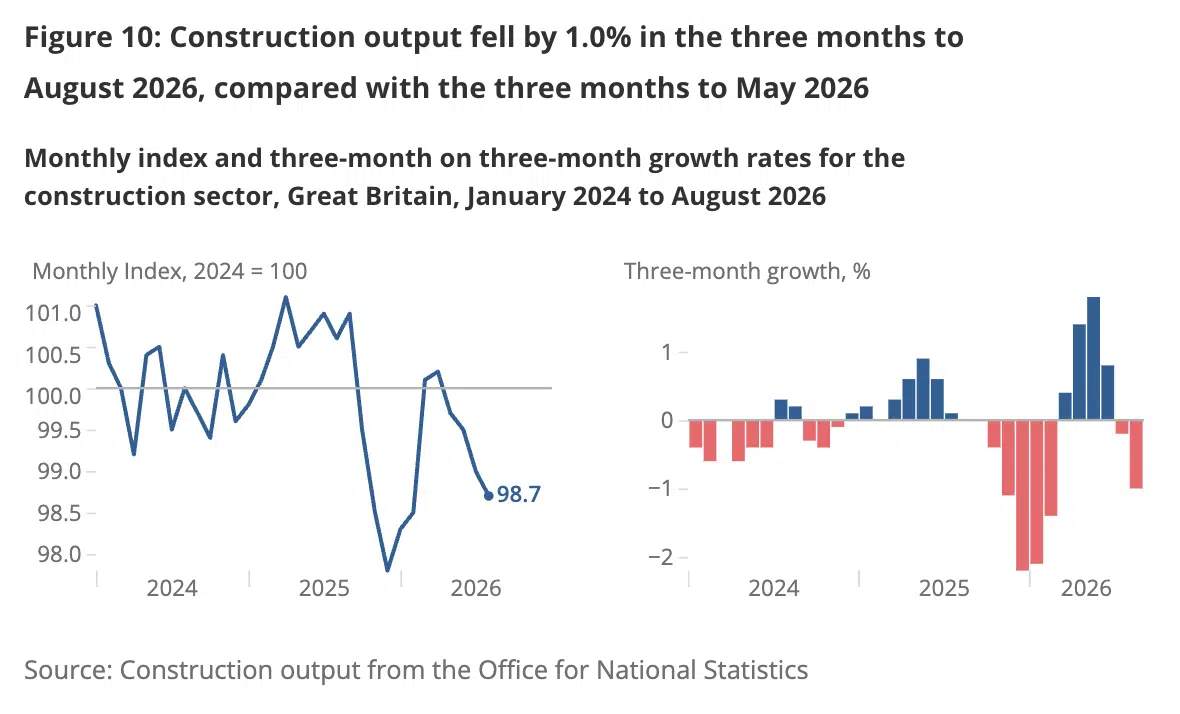
A sticky summer saw construction output melt over the three months to August by 1% with new work evaporating by 3.2%. Economic uncertainty, making it difficult to lay any concrete foundations.
Falling house prices improves affordability
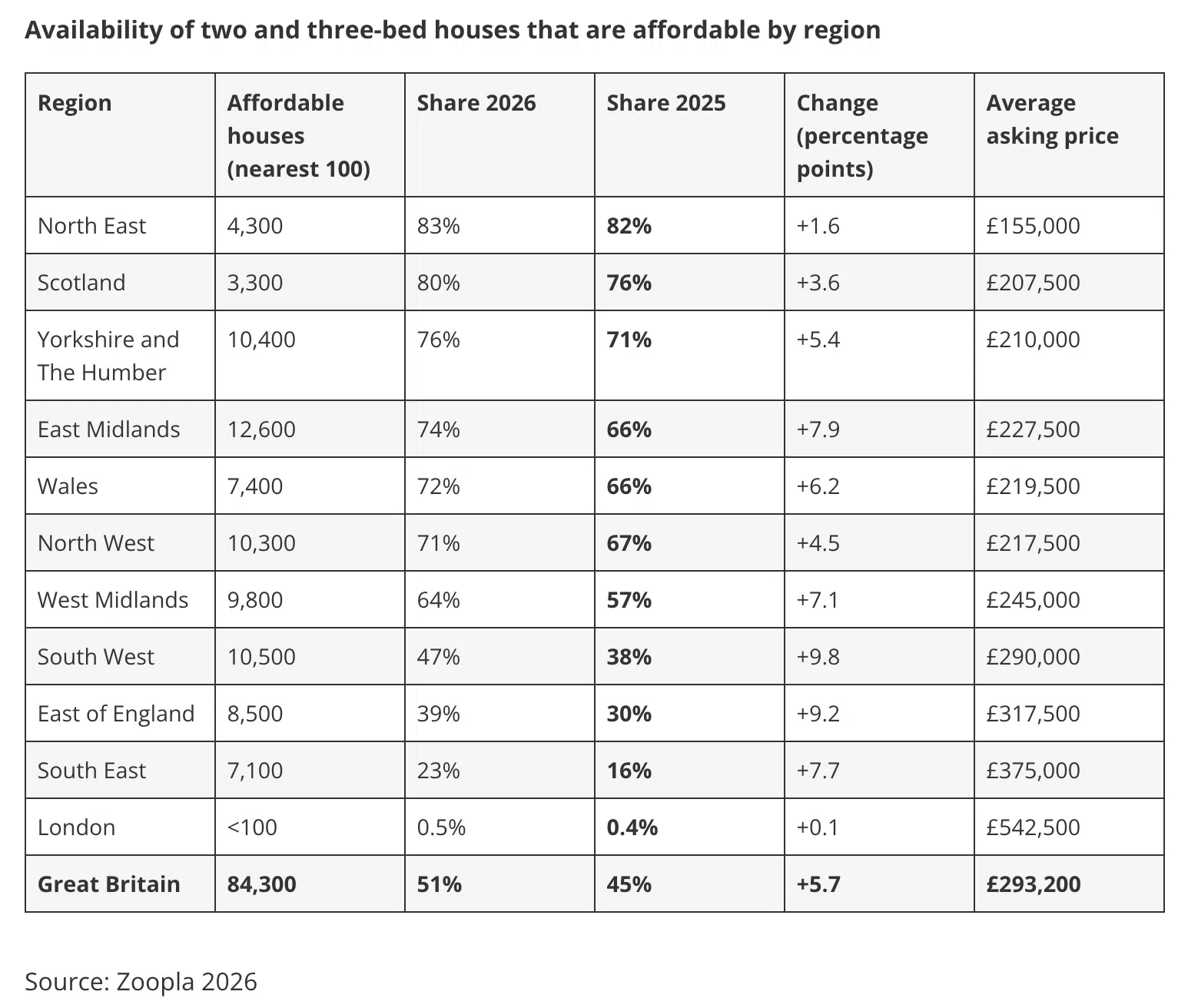
Despite rising interest rates, Zoopla found that affordability has actually improved for buyers borrowing 4.5 times their gross annual income with a 20% deposit. Falling house prices and stronger wage growth have increased the proportion of homes considered affordable across much of the UK — with London, however, remaining the notable exception.
The fall of the leasehold flat
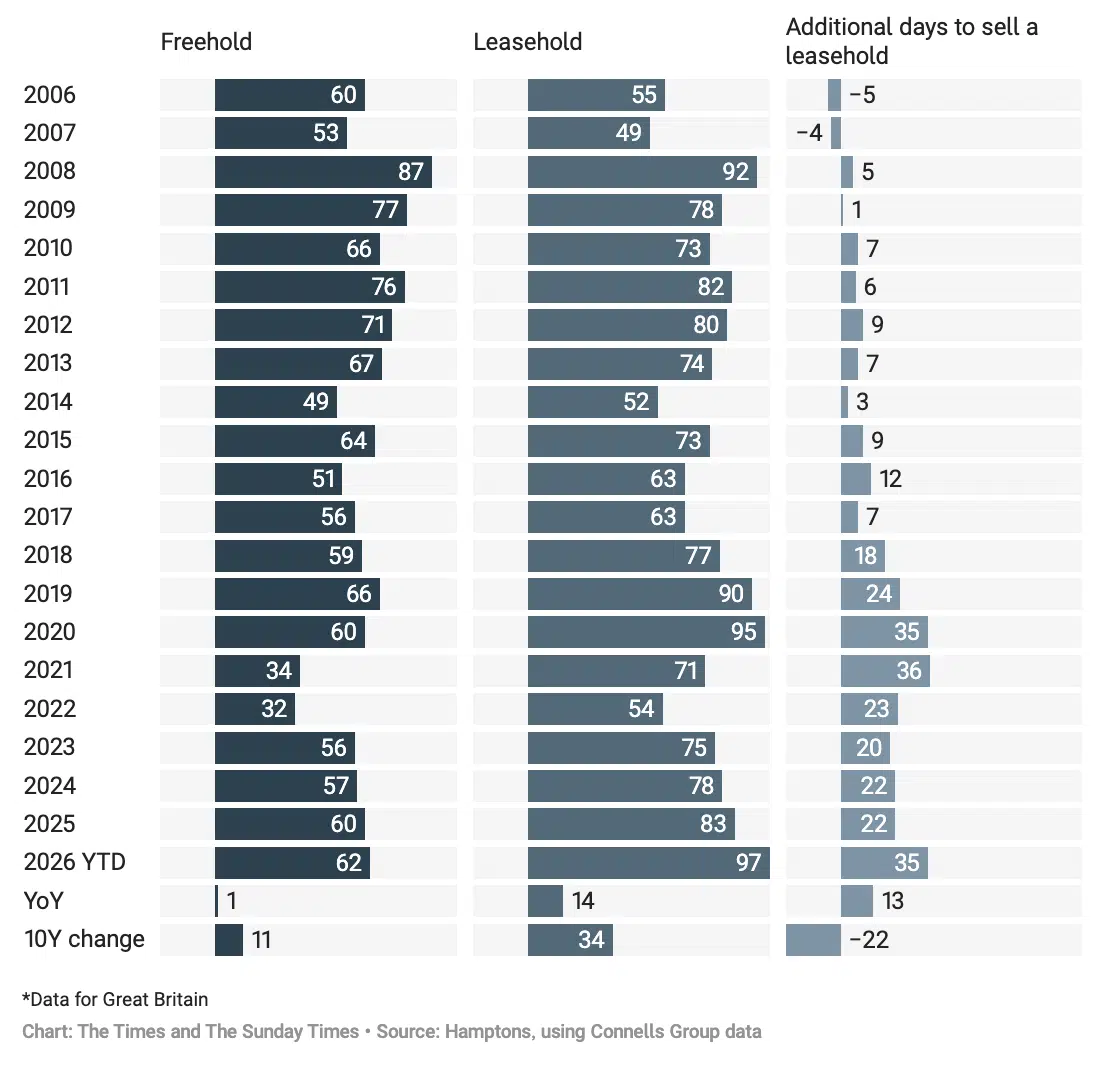
Leasehold flats have taken a beating over the past few years. It started with demand for greener pastures post Covid, then increased taxation, cladding and building safety costs and then inflated service charges. For those still engaged – market discounts are sizable but other flats remain sought after and are retaining more value than their counterparts. Namely maisonettes on long leases, small blocks without the amenities in good areas and some mansion blocks but only if the service charges are low. (A lot aren’t)
The new builds that are shifting are generally because buyers are misled by discounts. Buyers believe they’ve got a deal which was already factored in by developers. On the plus side- the property “technically” shouldn’t need as much tlc as period properties – well not in the short term. The reality of this can vary.
Leasehold flats are currently out of favour – until the government can work out the new marriage valuation calculation, which seems to be too taxing for them, and common hold is a reality this sentiment will continue.
Selling at a 44% loss
Addison Lee founder orders a taxi as he departs London’s prime property market having suffered a 44% loss on his original investment overlooking Regents Park. John Griffin sold his home for £11.5m after paying £20.7m for it in 2013. Still, at least he felt the benefit for 13 years at a cost of £707,692 a year.
Stock rises as buyers retreat in Q3 according to Twenty Ci
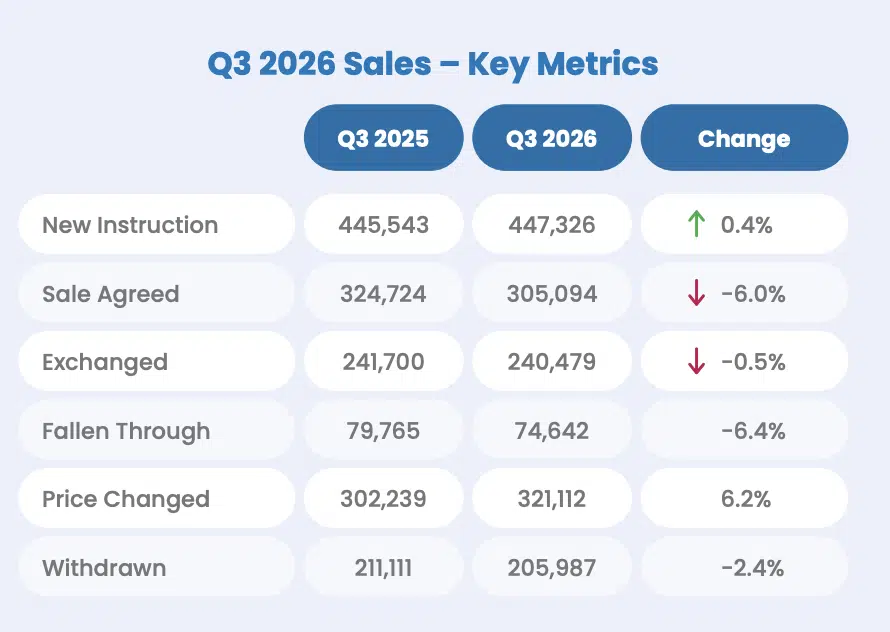
Hot under the collar; sellers attempted to offload during multiple heatwaves in Q3 2026 despite distracted buyers stepping back to reconsider their options as rates came under fire and prices melted.
Committed buyers however; desperate to utilise preferential rates, reduced the number of fall throughs.
At the same time, sellers unable to secure a buyer or a price they could stomach, withdrew till the overall economic outlook improved.
Dream big they say…
The London Mayor wants 55,000 new homes built in the Capital per year within the next 20 years. The feasibility of which remains… unfortunately…questionable. “The most built in any year since the end of the second world war is 37,436, in 1970. In the last five years, the average was 18,802. The last time more than 55,000 houses were built was in 1934/38, at 74,139 a year. But this was long before the greenbelt froze land supply in 1955 and the 1947 planning system made all development a gamble, dependent on the discretion of local politicians.”
That concludes this week’s UK Property News Recap – 16.10.2026. Any comments or suggestions please get in touch.


